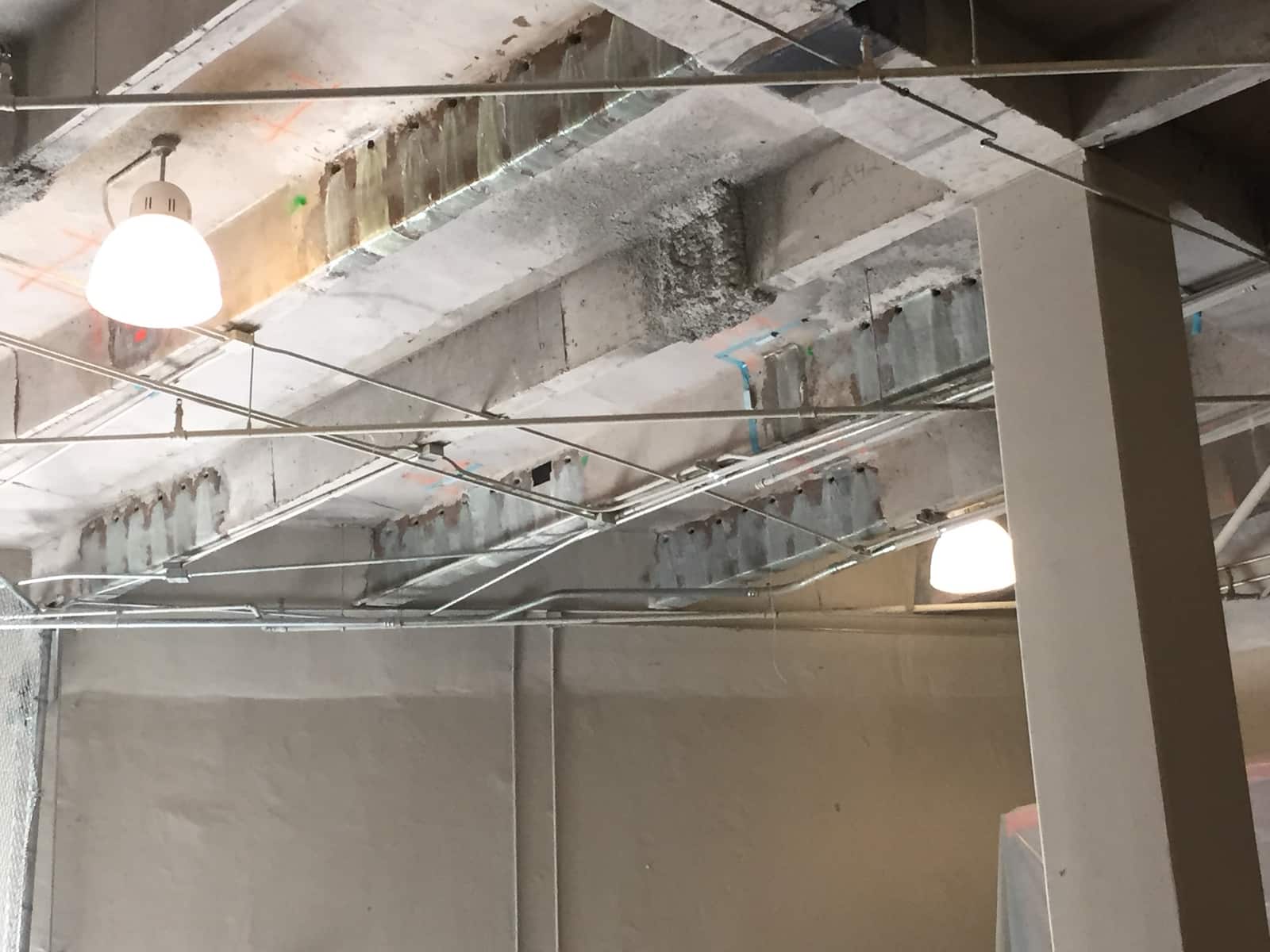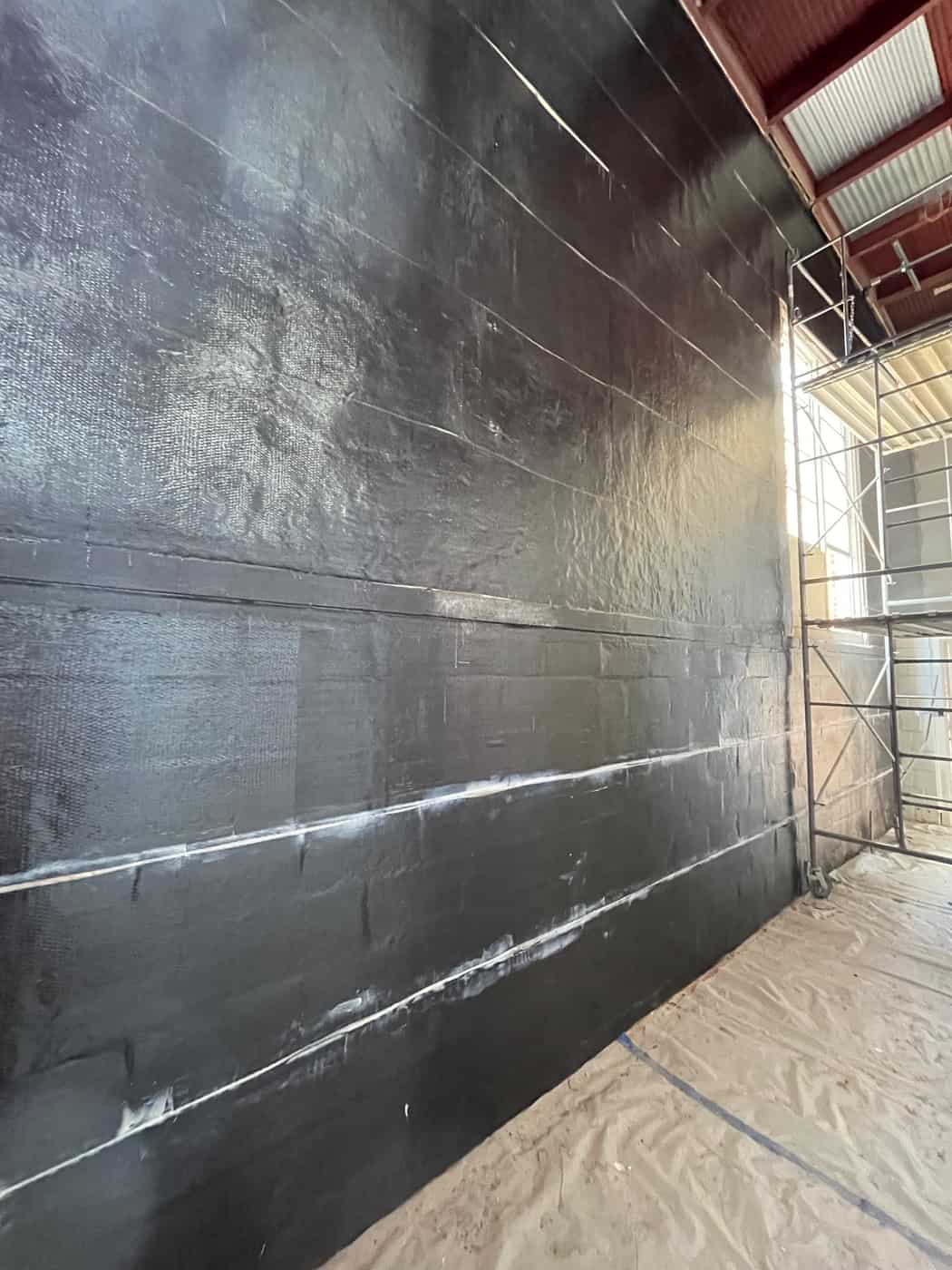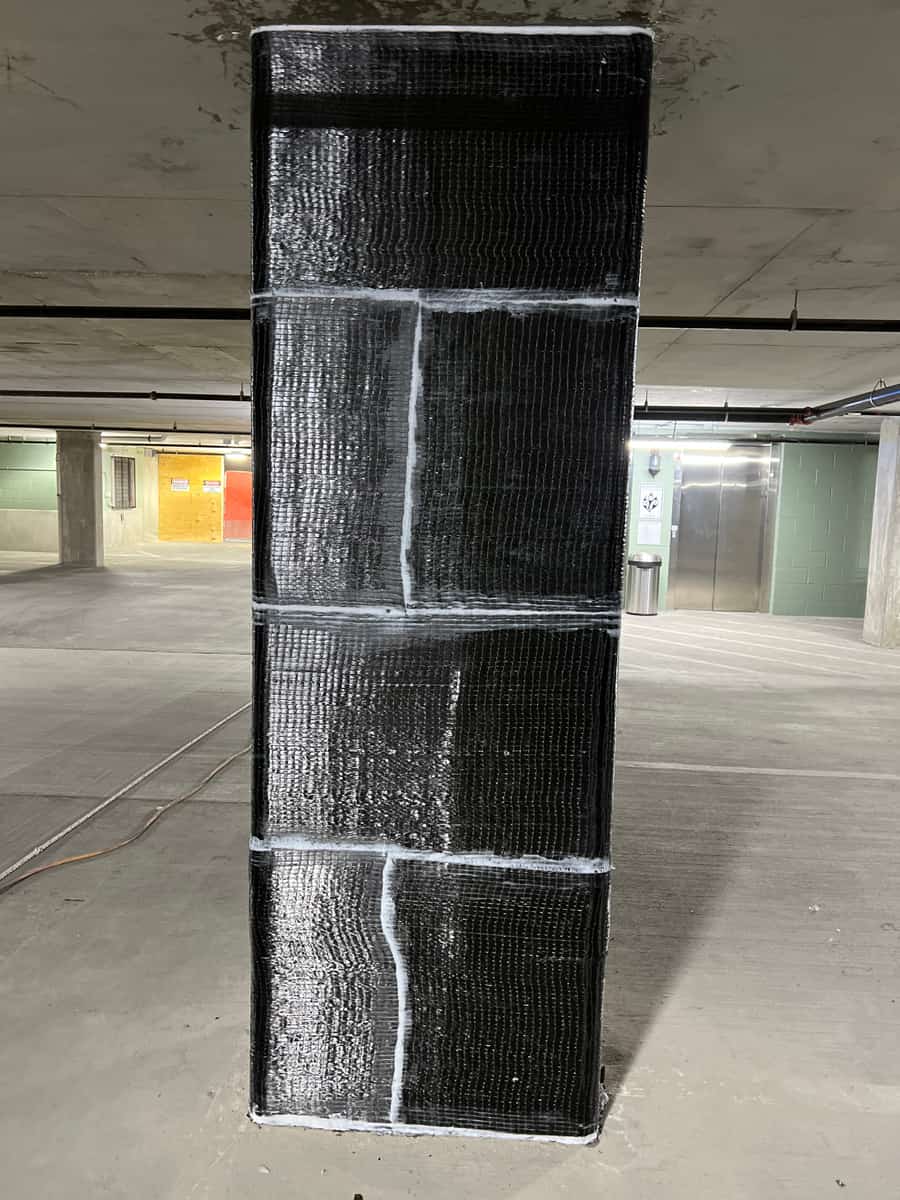
UNT Slab Crack Repair
Slab crack routing and sealing at UNT used a defined selection criterion and linear measurement basis.
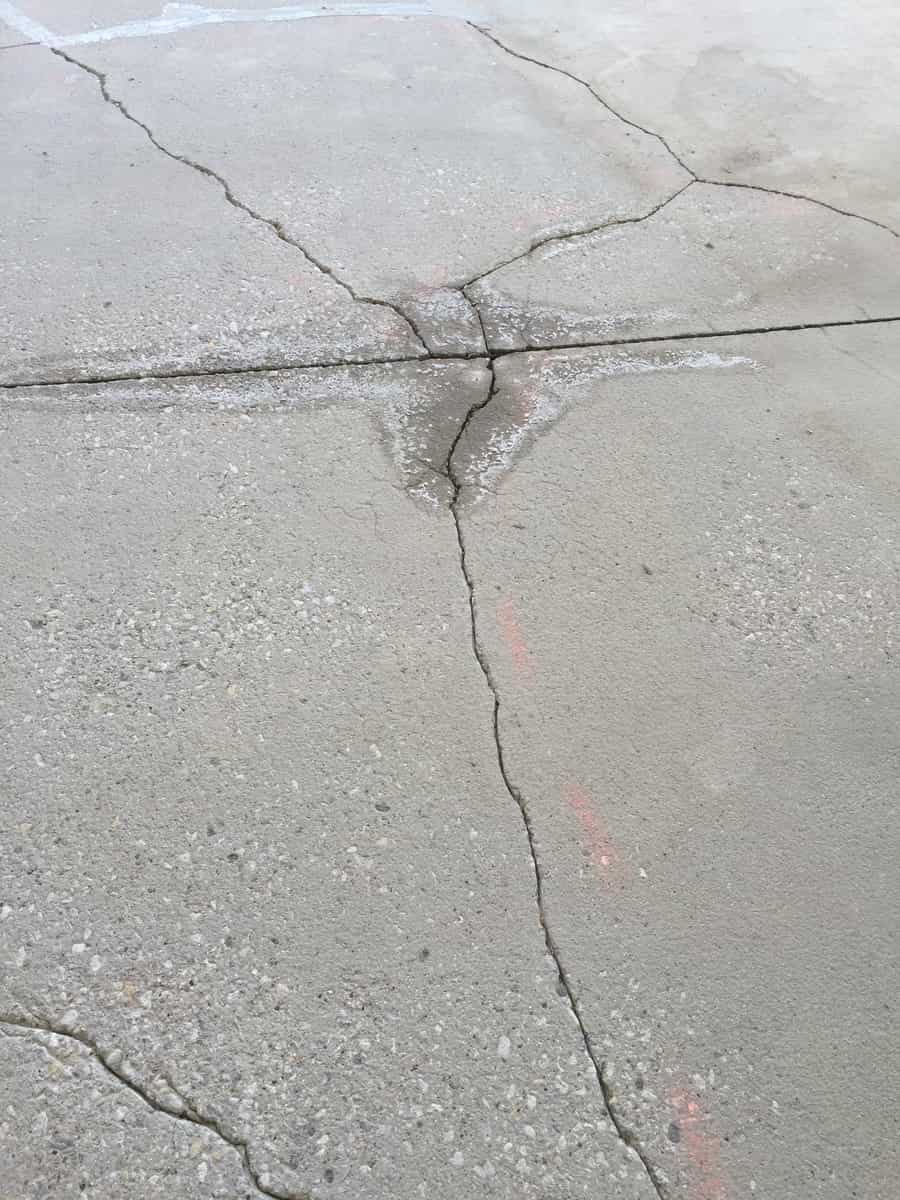
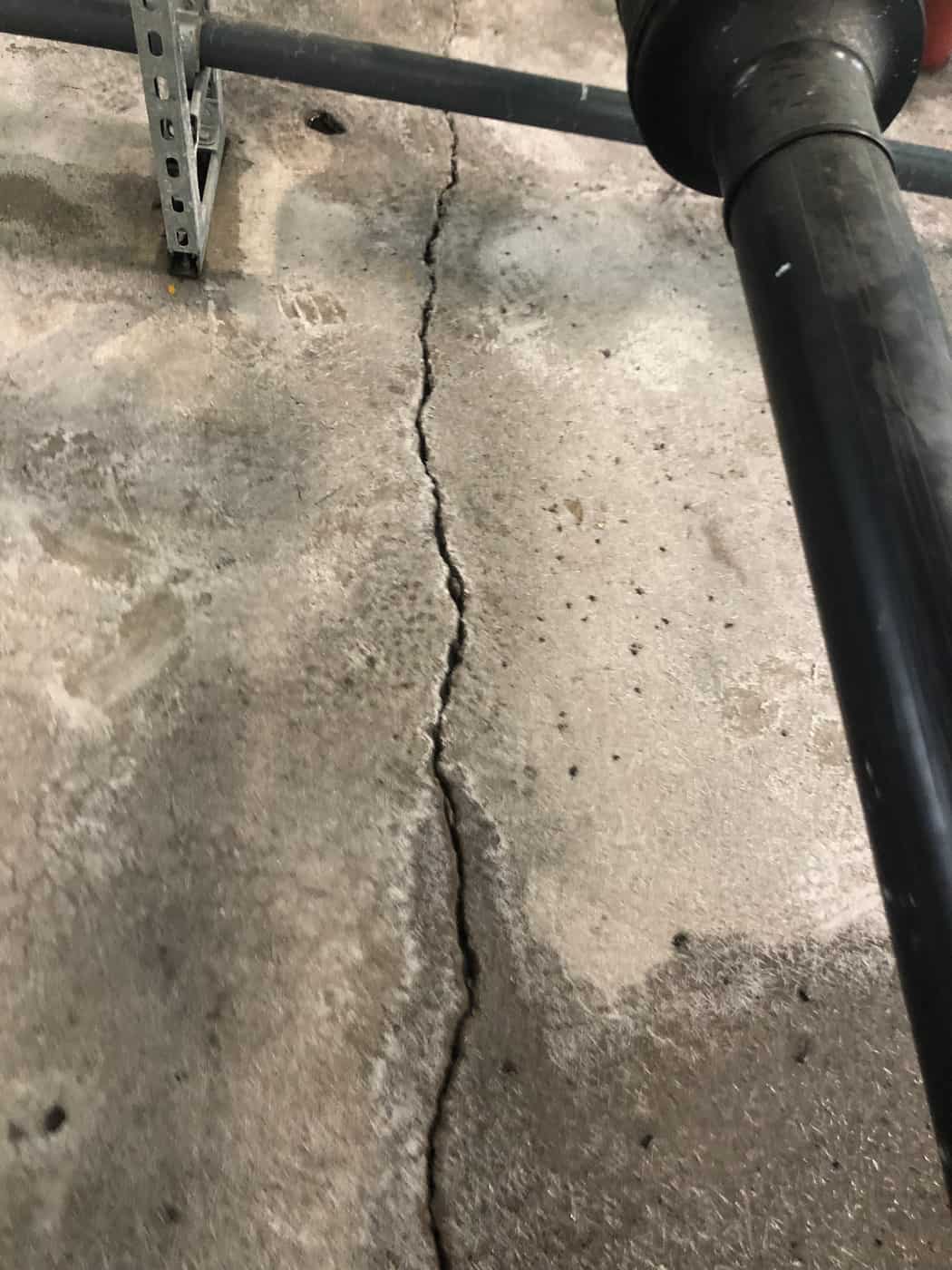
Delta Structural Technology completed slab crack-repair work for the University of North Texas project with Pogue Construction. The proposed treatment was routing and sealing of selected cracks. The scope defined a minimum crack width and a method for adjusting the measured extent, giving the repair a clear selection and measurement basis.
Project challenge
The slab contained a network of cracks requiring a defined treatment boundary. The proposal selected cracks at or above the stated width rather than describing every visible line as the same repair. That distinction mattered for laying out the work and tracking the length treated. The planned method also needed to remain clear to the contractor and installation crew.
Project approach
Delta’s scope paired routing of the selected cracks with sealing. The proposal used a linear-foot basis so the extent could be added or deducted as needed. Product submittals and mobilization supported the field work. The repair method was therefore organized around the identified crack routes and their measured length, with preparation and sealing treated as consecutive operations.
Delivery and coordination
Pogue Construction’s identified coordination items included permits and any required third-party inspection. The product submittal process provided the route for reviewing the proposed materials. Clear agreement on the crack-selection criterion and the measured extent helped connect the defined scope with field conditions across the slab.
Project significance
The UNT slab project illustrates the value of precise terminology and treatment boundaries in crack repair. Routing and sealing is a specific scope with its own preparation and measurement needs. Defining the cracks to be treated and how their extent is measured gives the project a practical basis for installation and coordination.