Campbells L50 Joist Repair
Concrete restoration and glass reinforcement for overhead production-area joists.
Delta Structural Technology completed concrete and glass-FRP repairs at Campbell’s L50 joists. The scope covered two overhead work areas, combining localized concrete restoration with external reinforcement and a painted finish.
- Market
- Food & Beverage
- Services
- Concrete repair and glass FRP
- Structural members
- Joist
Project challenge
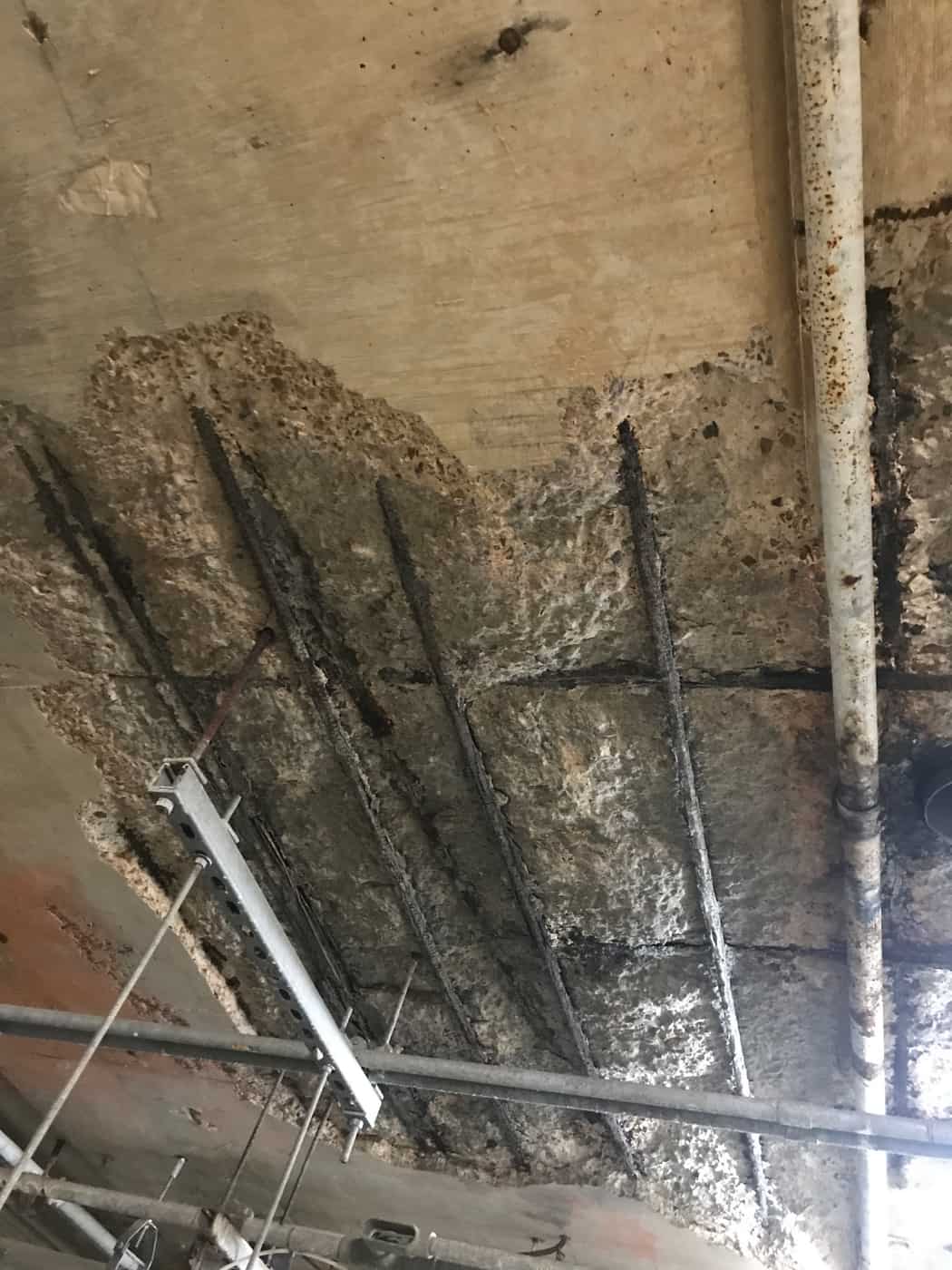
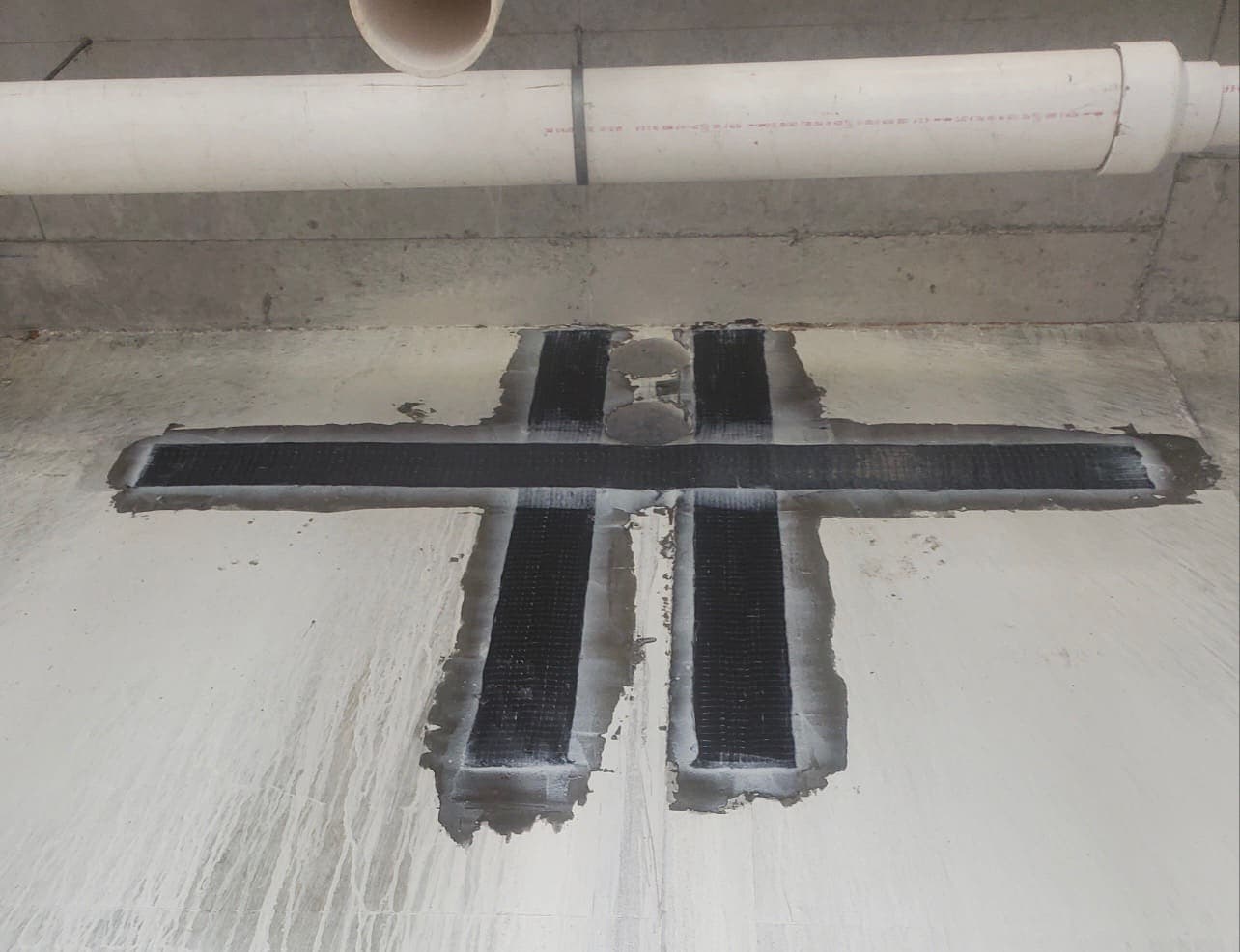
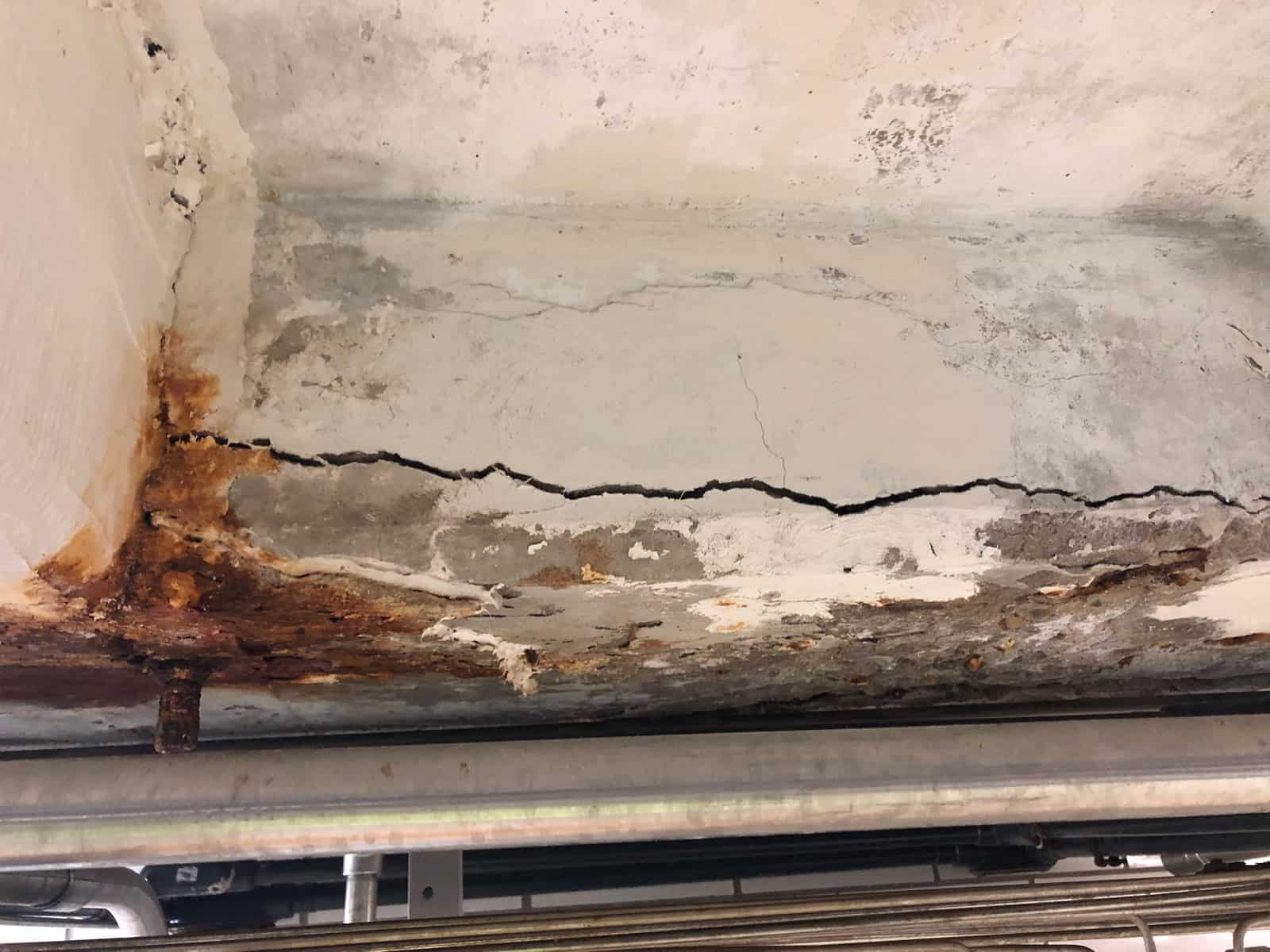
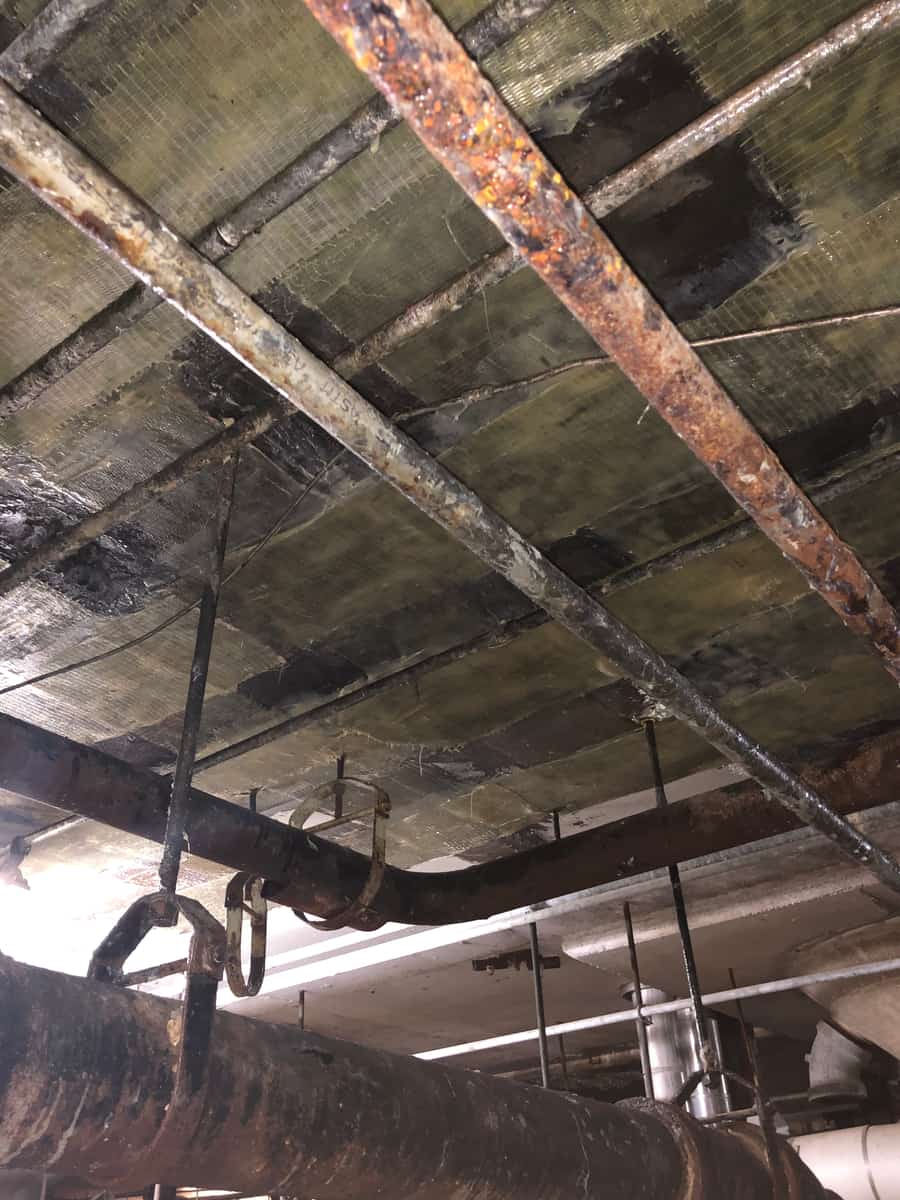
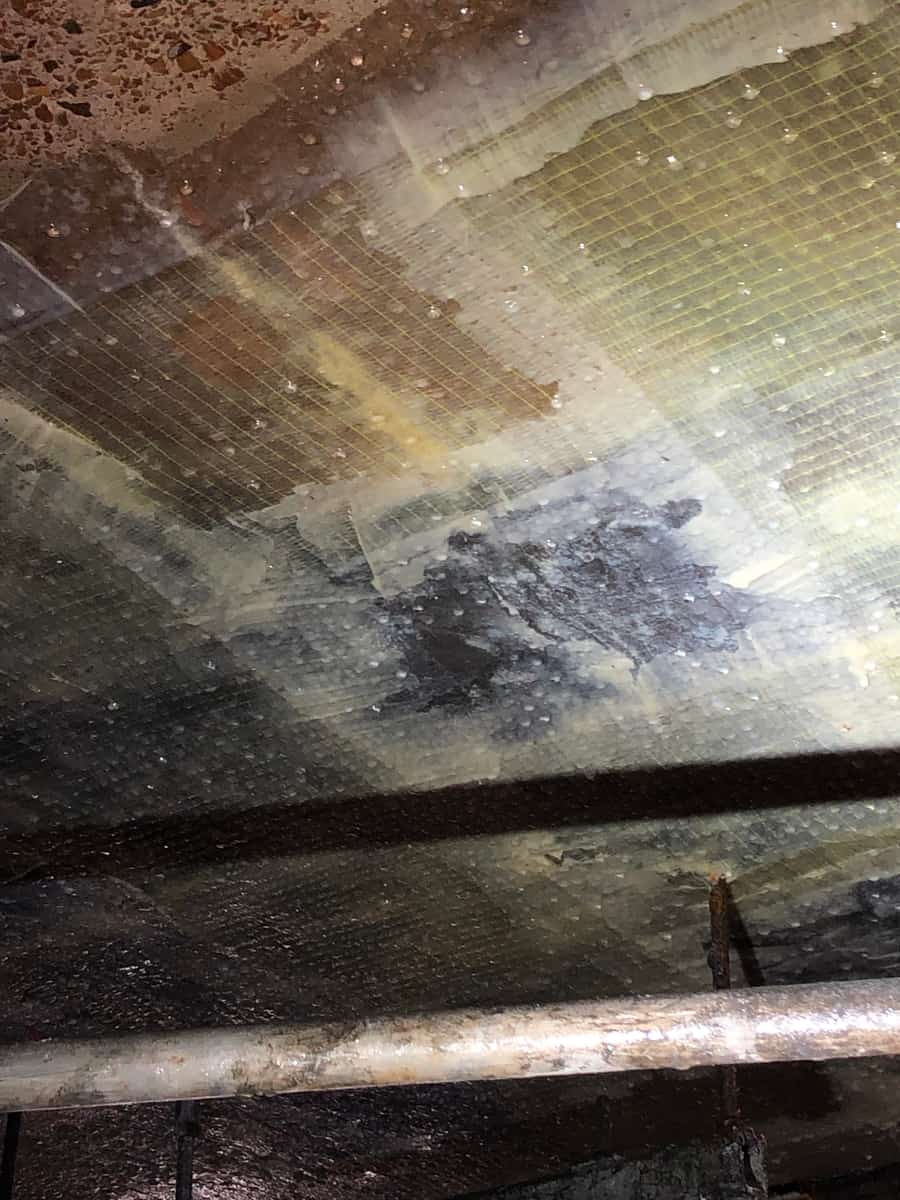
The main work area involved seven joists extending approximately twenty-five feet from a beam toward the plexiglass enclosure of an upper conveyor system. A second area included four shorter joists and two localized slab-underside repairs. These separate areas required access close to existing production equipment and a work sequence suited to overhead concrete and composite repair.
Project approach
The repair plan called for removal of loose concrete, patching of the affected areas and installation of one layer of glass FRP, followed by paint. For the main joists, the glass layer was identified as shear reinforcement. The second location used the same general concrete-repair, glass-reinforcement and finish sequence. Surface profiling and plastic containment were included in the construction plan.
Delivery and coordination
Safway scaffolding was to provide two working platforms. Delta’s crew planned to assist with moving scaffold equipment into the work areas while erection remained with the scaffold contractor. The sequence accounted separately for platform construction, containment, concrete preparation and patching, reinforcement cutting and application, painting and scaffold removal. This organization linked overhead repair activities to the temporary access system.
Project significance
The L50 joist project illustrates a compact repair sequence adapted to multiple work areas within a production setting. Concrete restoration established the repair surface, glass reinforcement addressed the specified strengthening scope, and the finish completed the treatment. Coordinating the conveyor-area access and scaffold work was integral to delivering that sequence.