Fort Sam JBSA 2263
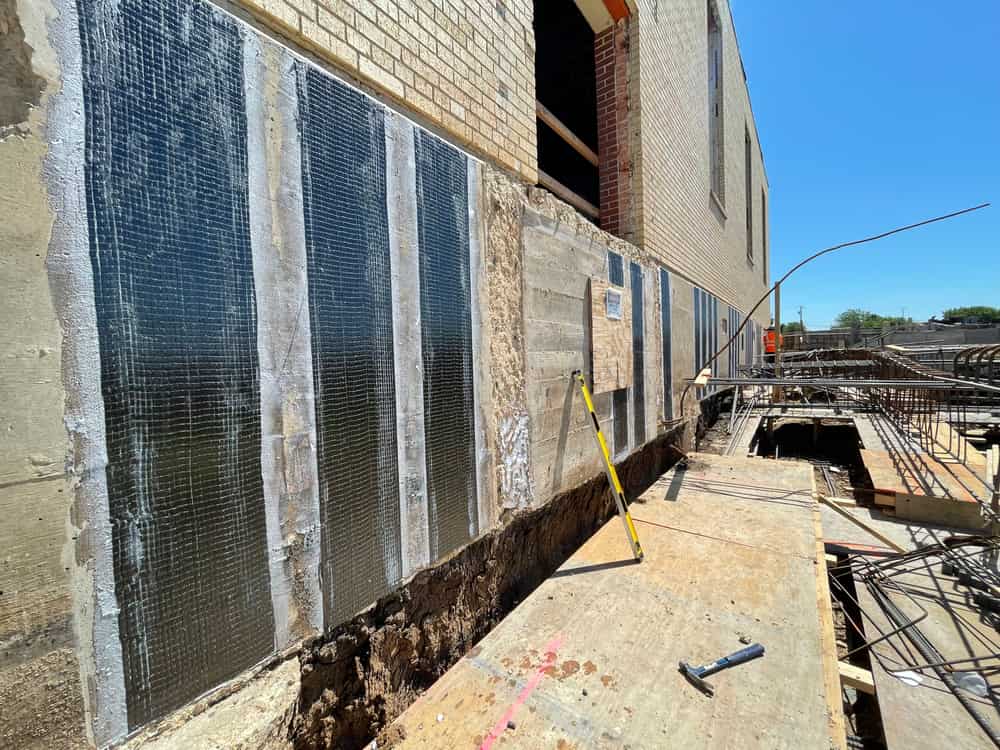
An alternate reinforcement scope at Building 2263 used FRP surface regeneration and staged placement of additional composite layers.
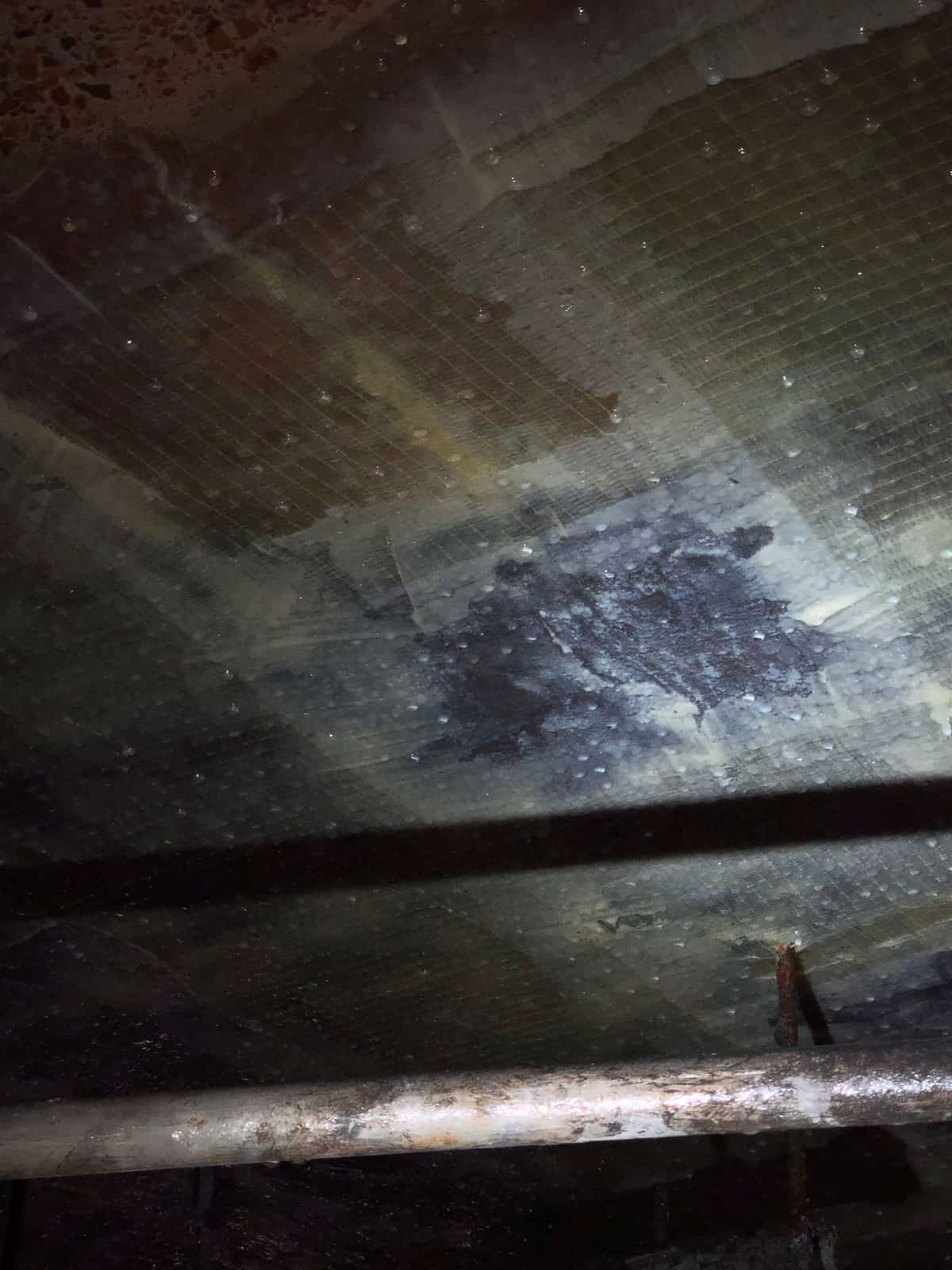
Delta Structural Technology completed FRP work associated with Building 2263 at Fort Sam Houston. The mechanical-room alternate design addressed additional reinforcement over an existing composite system. Its distinguishing feature was regeneration of the cured FRP surface before new layers were applied, creating a different preparation sequence from reinforcement bonded directly to bare concrete.
- Market
- Military & Government
- Services
- FRP slab reinforcement and regeneration
- Location
- Fort Sam Houston, Texas
- Structural members
- Slabs
Project challenge
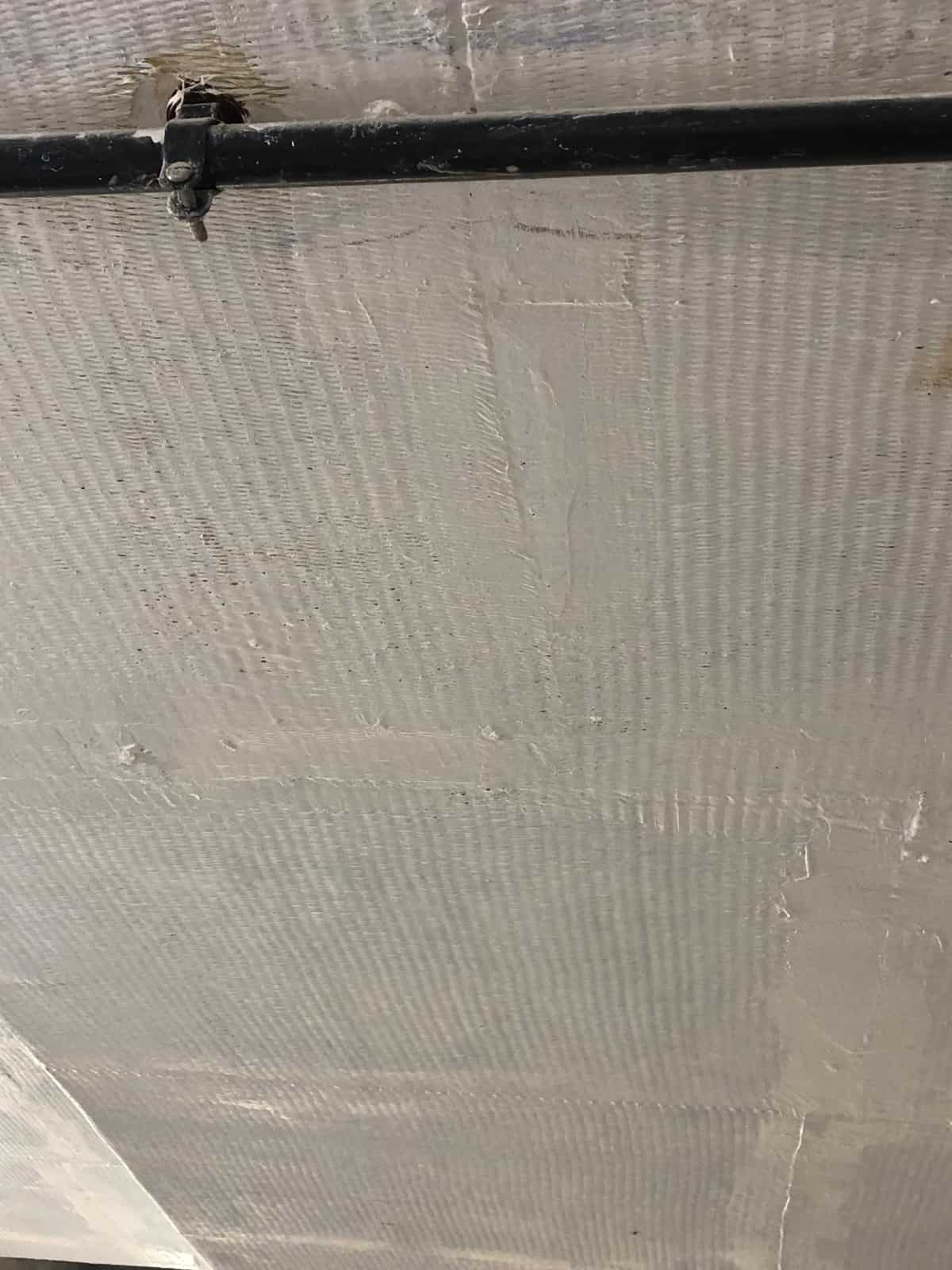
Adding reinforcement to an existing FRP installation requires attention to the cured composite surface. The earlier preparation method used for the slab was not the same as the proposed method for the alternate reinforcement. The work also carried a limit on the number of layers placed in one application period, tying installation sequencing directly to the material requirements.
Project approach
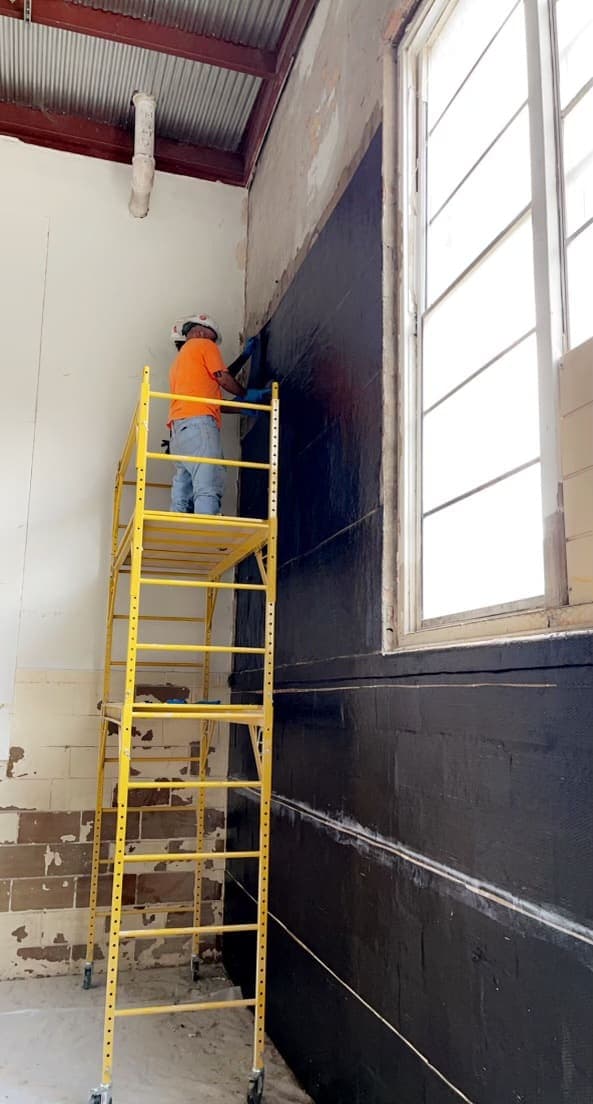
Delta’s proposed process began by cleaning materials spilled on the slab, lightly abrading the existing FRP, and applying the specified regeneration treatment to reactivate the cured resin surface. A prime coat of epoxy would precede installation of the additional reinforcement. The proposal limited placement to three layers per strip per day, with further layers applied after the earlier work had fully cured.
Delivery and coordination
The alternate scope was tied to the Simpson design and the coordination meeting with D. Wilson Construction. Product submittals, layout, and surface preparation were part of the installation package. Because the work built on an existing reinforcement system, sequencing depended on the preparation method and cure intervals as well as access to the mechanical-room locations.
Project significance
Building 2263 illustrates the distinction between bonding to concrete and adding layers to cured composites. The technical lesson is that additional strengthening needs its own surface-treatment and sequencing plan. Recognizing that difference helps connect the alternate design with a practical installation method.