TXDOT i30 Bridge Rehab
I-30 bridge repairs combined roadway-closure coordination, prepared concrete surfaces and a sequence of horizontal FRP and U-wrap application.
Delta Structural Technology completed bridge rehabilitation work on I-30. A September 2017 field report documents a night shift combining preparation of repaired beam surfaces with composite installation. Highway closure, lift positioning, material preparation and the sequence from form removal to reinforcement were coordinated as part of the field operation.
- Market
- Transportation
- Services
- Bridge concrete repair and FRP application
- Location
- Texas
Project challenge
The work area became available only after the highway was closed. Within that window, the crew needed to prepare equipment, remove forms, grind the concrete and stage the composite application. The report also distinguished completed horizontal reinforcement from remaining U-wrap pieces. This made the shift’s progress and the next steps clear within the broader bridge repair sequence.
Project approach
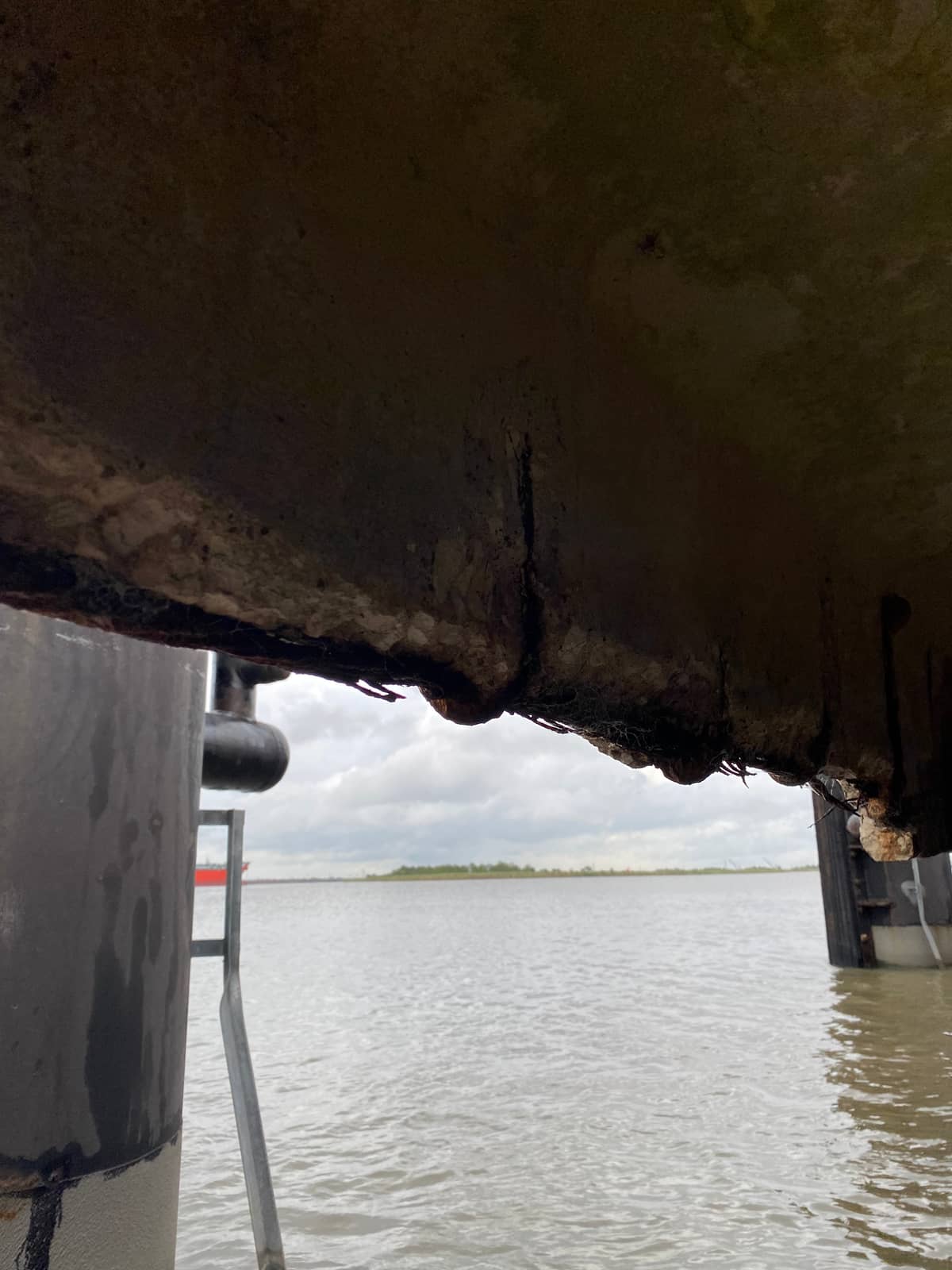
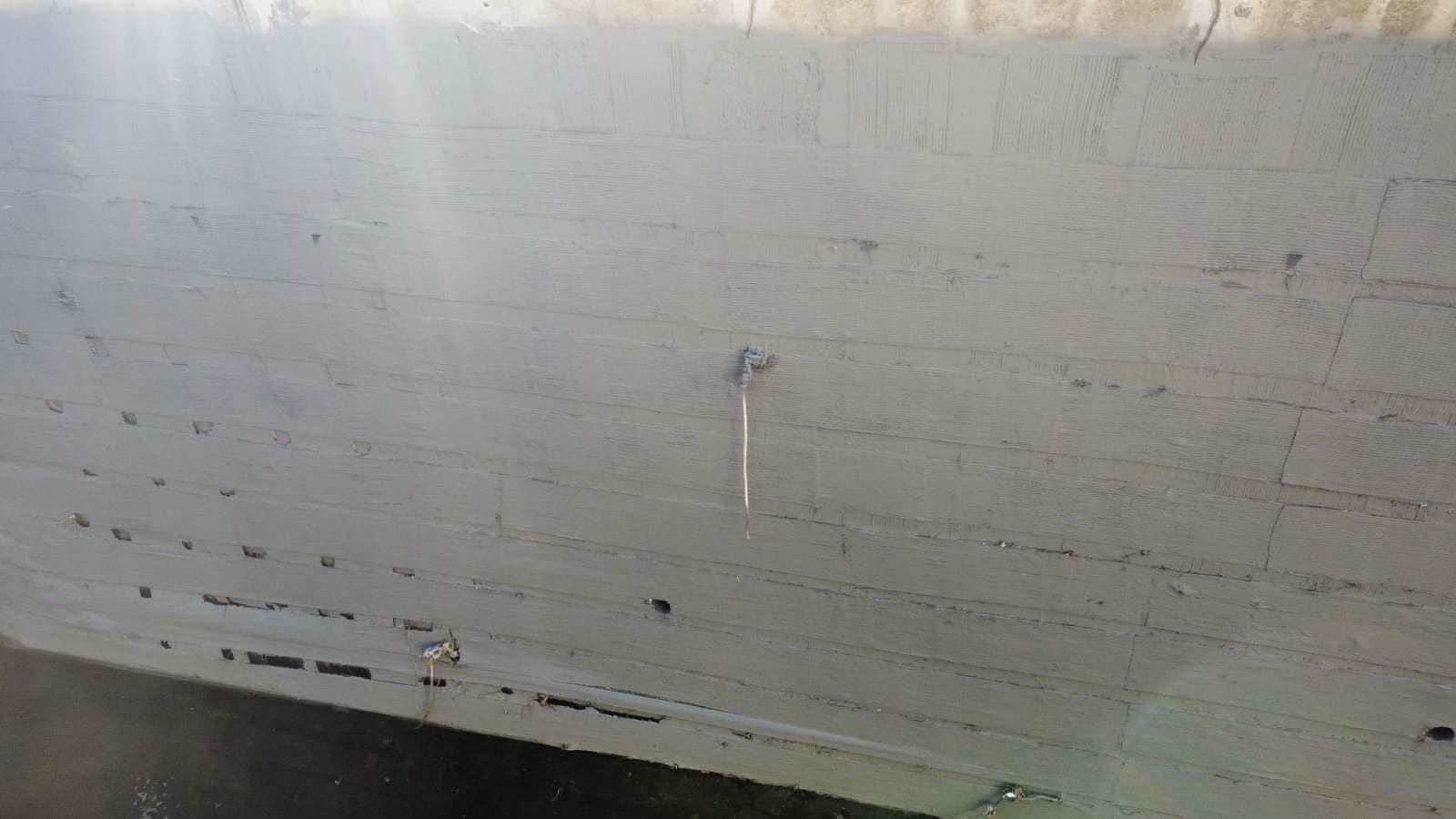
The crew set up a saturation station, cut the reinforcement for the night, positioned a scissor lift and prepared its grinders and power leads. After removing the forms, the team ground the repair areas and cleaned the concrete for wrapping. The field report records horizontal reinforcement on beams 1 and 4 and identifies the remaining U-wrap pieces needed at beam 4 before painting.
Delivery and coordination
Delta’s daily production report was shared with the project’s construction representatives. It connected highway access and equipment setup with the work completed on specific beams. The record also supported coordination of the outstanding reinforcing and coating steps. This level of location-specific reporting helped communicate what had been accomplished during the available closure and what remained for subsequent work.
Project significance
The I-30 case illustrates the practical integration of concrete repair and composite application in a highway setting. Surface preparation followed form removal, and the reinforcement sequence distinguished horizontal strips from U-wraps. The field record provides a concrete example of how access, staging and progress reporting support a bridge rehabilitation scope carried out within a controlled roadway closure.